
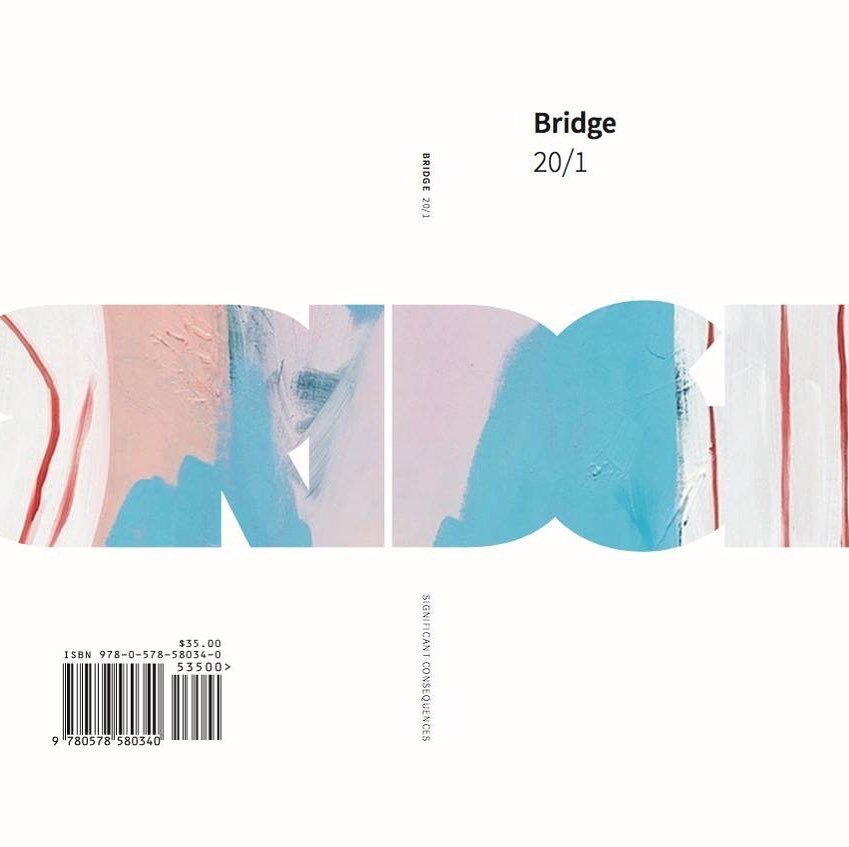

Little Pink Book: a bad bad novel is “wrong,” like how some guilty pleasures are “wrong.” Through her fan fiction and multidisciplinary novel, Kan-Sperling asks, why, in our attempts to discover ourselves, do we as writers and readers want misrepresentation, when it may initially seem impractical or harmful to explore? She takes readers to ugly and confusing situations that are somehow still beautiful, entrancing, and funny, where the violence isn’t glamorized by the overt aesthetics at play. In doing so she makes contemporary literature look like a prude—visually, linguistically, and thematically. I had never seriously considered that the novel could be more than tiny words typed out with black ink on a white page—until my time with the novel’s two main characters: Limei, and language itself.
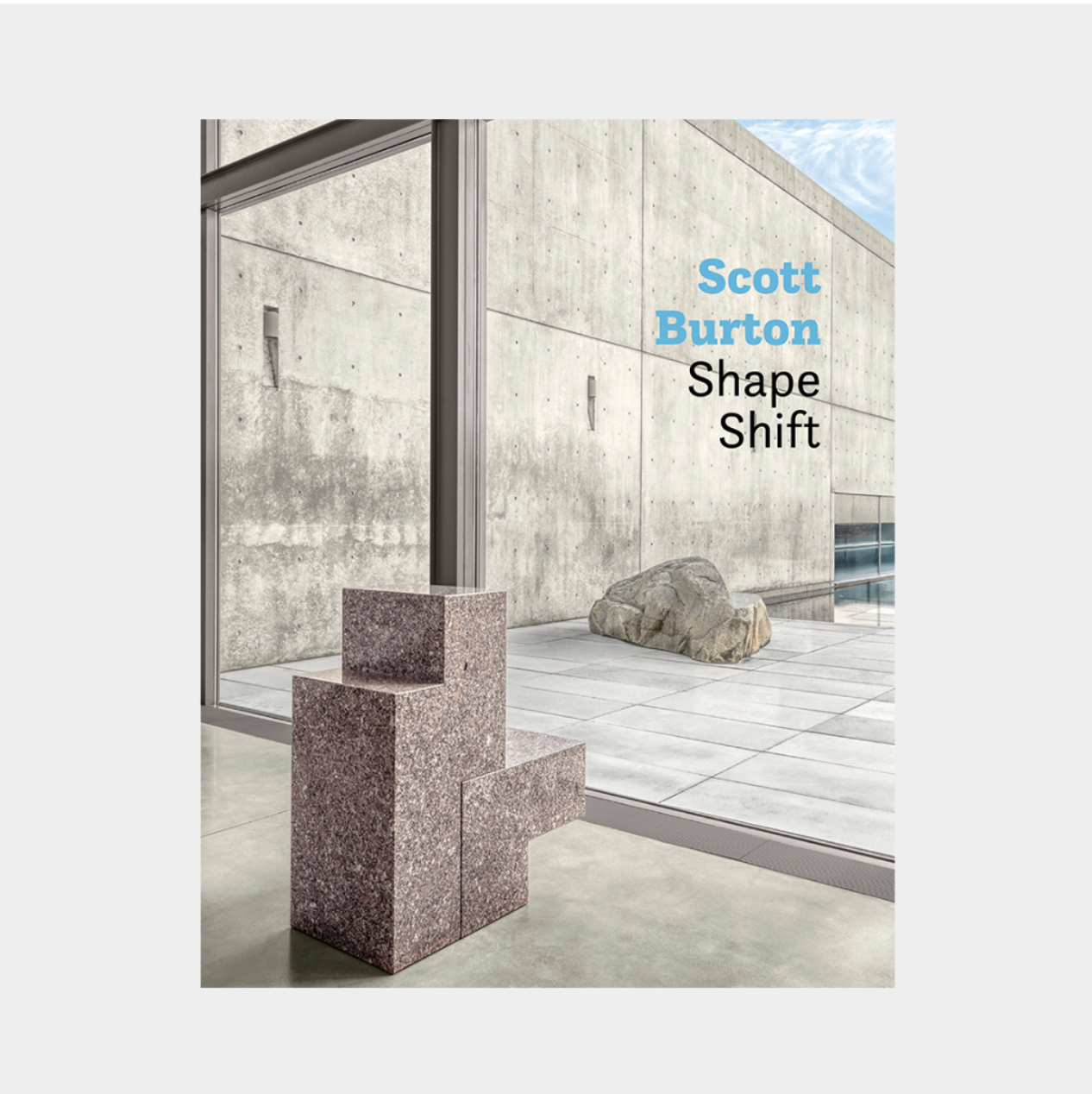
Scott Burton: Shape Shift - an exhibition originating at the Pulitzer Arts Foundation in St. Louis and now on display at Wrightwood 659 in Chicago is an engaging and much needed career spanning retrospective that is, and was, beautifully installed at two different Tadao Ando museums. Ando is a much-acclaimed Japanese architect known for his austere and precise minimalist volumes rendered in exquisitely realized concrete and Burton’s restrained expertly fabricated sculptures both enhance and complement Ando’s spaces. Burton, who died from AIDS-related complications in 1989, was in the midst of developing a body of publicly installed sculpture/furniture throughout the 1980s and his work is largely and only associated with this decade. Shape Shift broadens the basis of Burton’s work by presenting the full breadth of his activities as art critic and editor, as performance artist and as sculptor. This fascinating back story provides the foundations for his artistic practice and a new “reading” or basis with which to review his later demotic art.

Chicago artist Tony Fitzpatrick has long been recognized as an outspoken advocate of the kind of self-reliant, no-holds-barred approach to art-making that has long been recognized as the bold signature style of both Chicago art and Chicago artists. Bridge Magazine recently caught up with Fitzpatrick at his studio on Damen Avenue to discuss the city’s art culture, the failure of its art institutions and gallery systems to connect artists with the wider world.
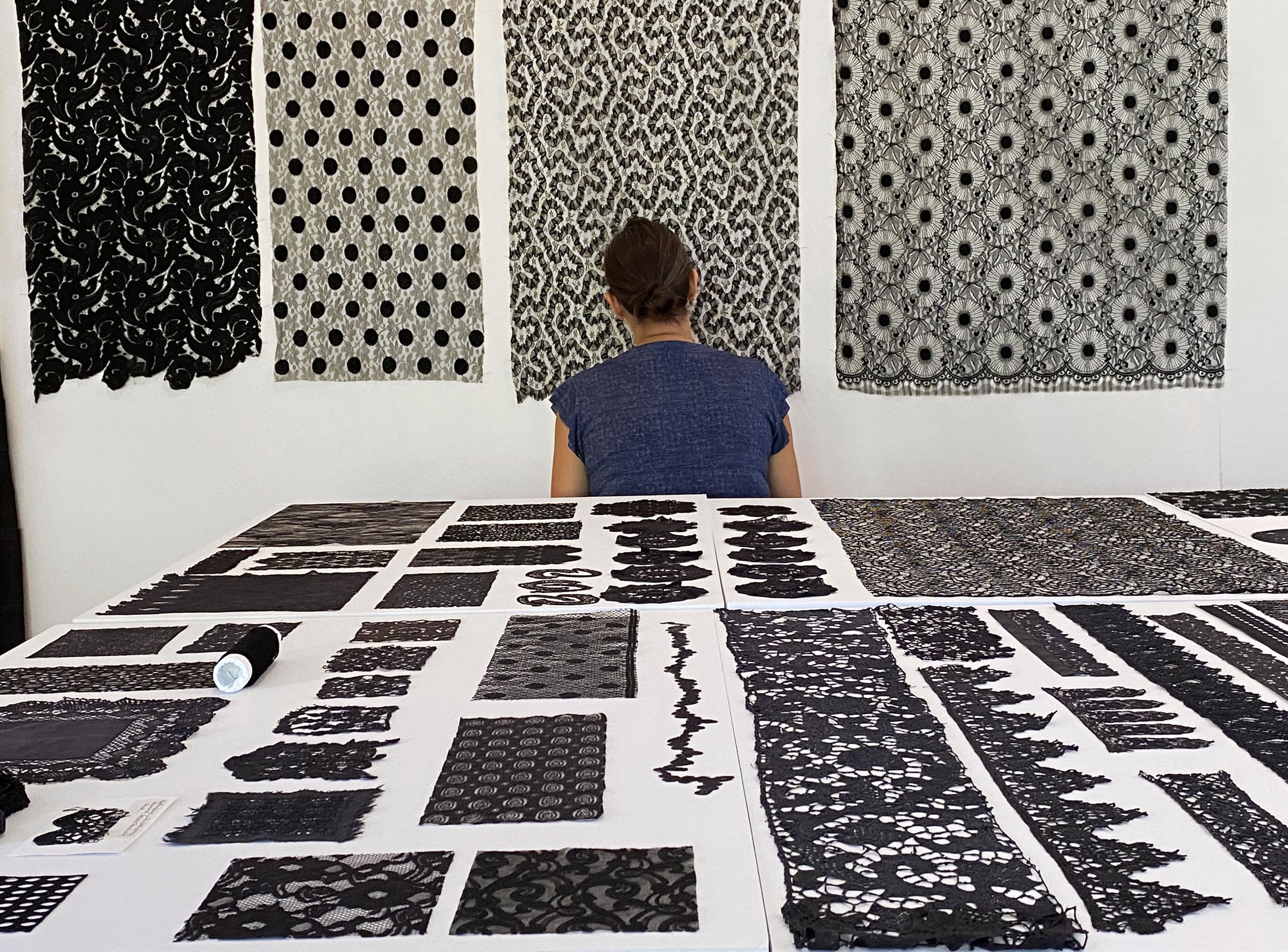
The Davis Street Drawing Room is sited in the front room on the second floor of a house on Davis Street in Evanston, Illinois. This is the home of artist and professor Anne Wilson.
I visit on a sunny day and the room is full of light. Wilson begins the visit by introducing the house and its history, pointing out architectural details like original fixtures, sinks, and a handmade leaded glass window. The house was built as a Victorian frame house in 1887, and the exterior renovated in the present prairie school style in 1909. From 1891- 1896 it was an upper-class boarding house. The room that is home to the Davis Street Drawing Room, Wilson surmises, could have been a drawing room: a space for its turn of the century inhabitants to retire for conversation after dinner. Back then, a drawing room might have been a space of gendered separation. More contemporaneously, the room has been the site of Wilson's practice, a space for unraveling the power dynamics of gender, labor, affect, and materials.
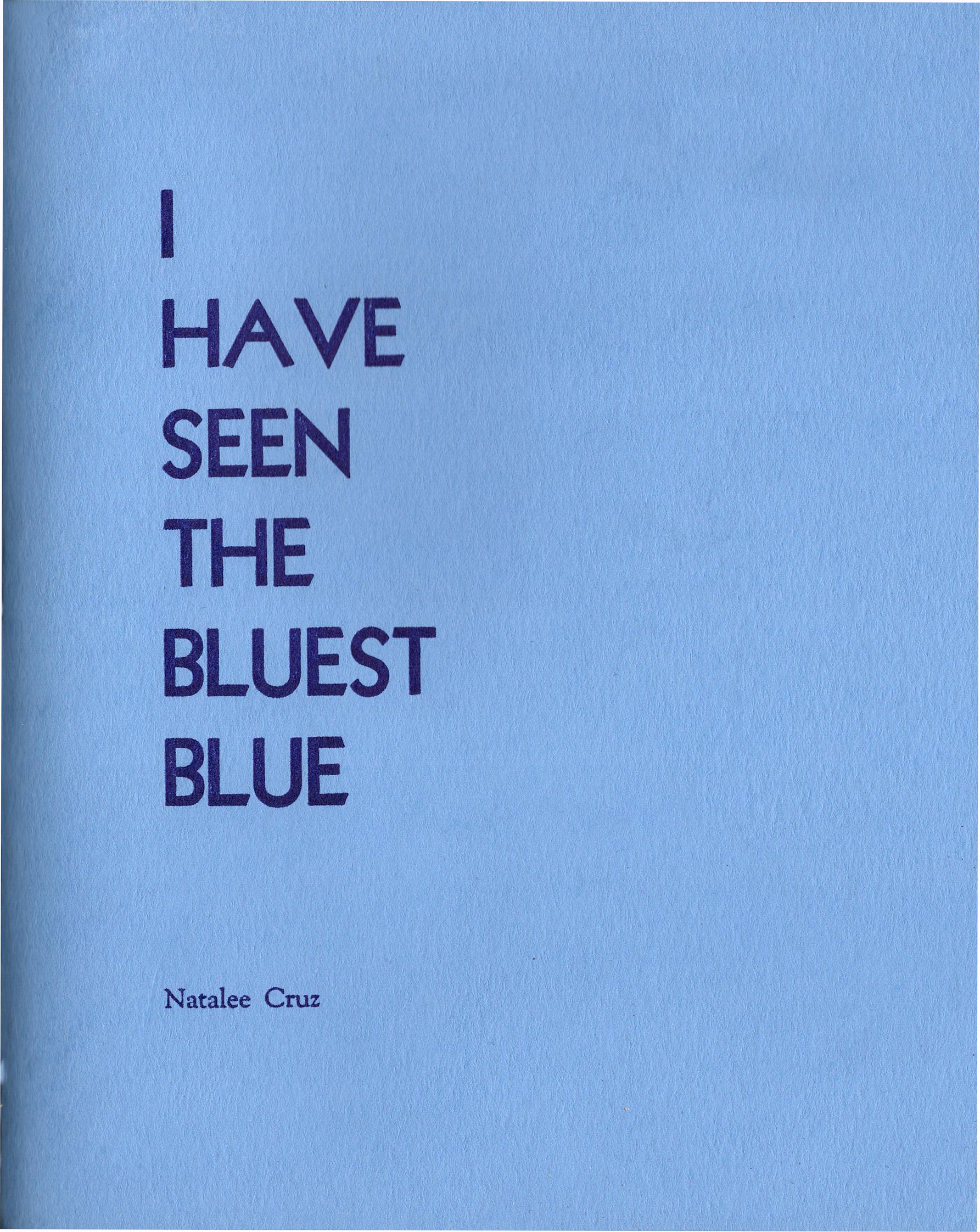
For me, this heart-wrenching debut by Natalee Cruz is among the best in poetry debuts this year. I could give no better analysis of the poetics and structure than Diego Báez does in his review over at Harriet Books, with its keen observation of the mood-shift in the poem‘s description of colors. Also as noted in his review, is how the book splits the narrative: it starts with the language of her father’s employer in the first section, who has written a letter in support of the return of the poet’s mother in law, who is facing deportation. Cruz riffs on the language of the letter in refrain throughout, invoking turns of phrase in numbered sections all under the header of that letter’s opening: “To Whom It May Concern.”
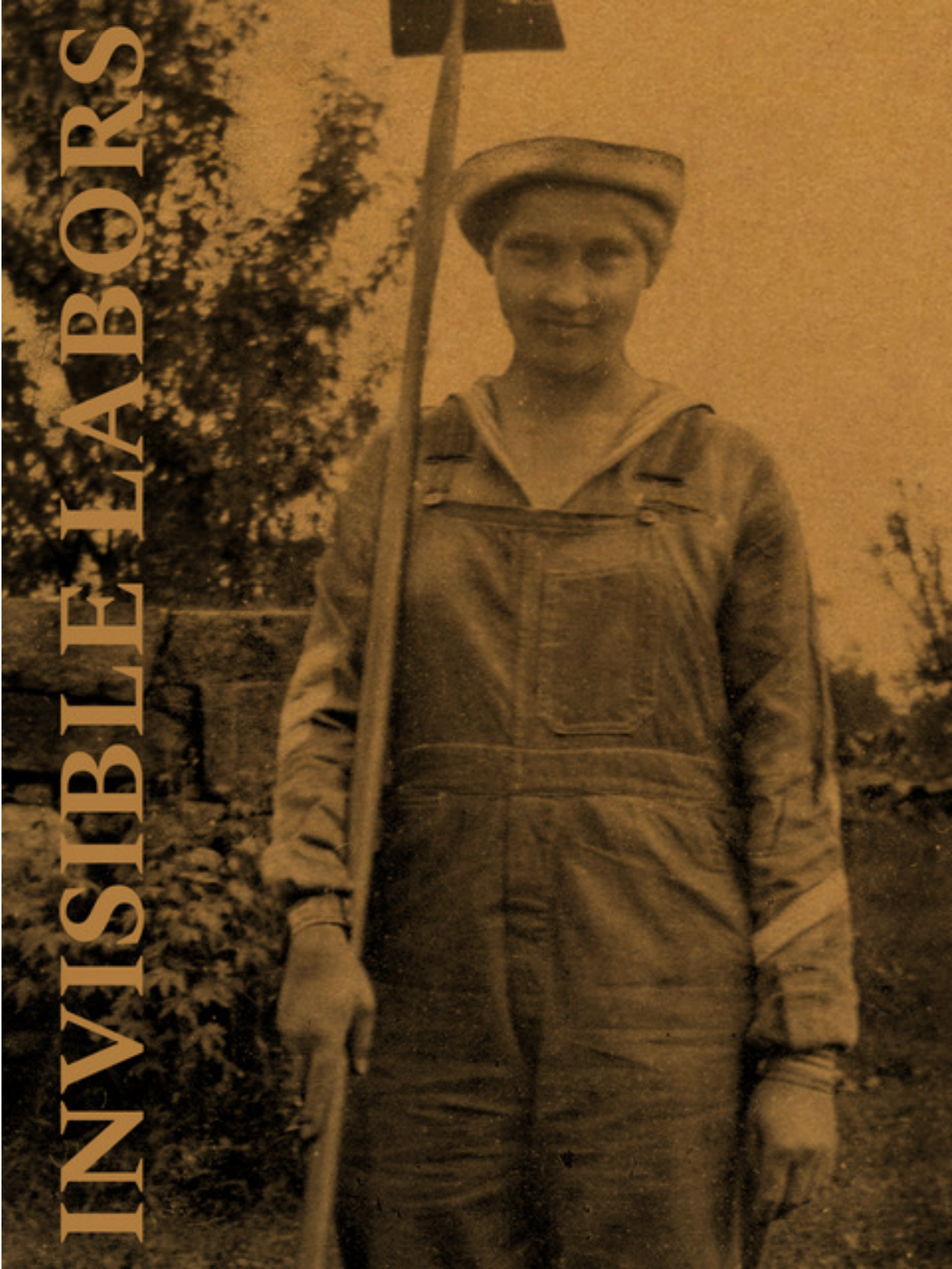
Inspired by Melissa Potter’s garden project for the 2021 Terrain Biennial at boundary, the art space founded by Susannah Papish, Invisible Labors explores the history of women and in the Beverly and Morgan Park neighborhoods of Chicago and adjacent Blue Island, Illinois. Produced by Potter and Papish, the artist’s book explores how “land-stewarding and progressive movements influenced” the work of the area’s residents. As well, the artists investigate the overlap of indigenous practices within the evolution of these social service histories, including the early work of Hull House, for example, through Potter’s interview with “basket-maker Kelly Church, Anishinaabe, who carries on the Potawatomi black–ash basket weaving tradition.”

Stepping into the empty gallery at the Renaissance Society a woman wearing a flesh colored unitard with sheer plastic-like pants, tan running shoes and a headband with a small tracking system attached was walking, with purpose, around the edge of the space repeatedly singing “on the street”, “on the street”, “on the street,” “on the street”. The four sides of the space were lit in red mixing with the late afternoon autumn light coming through the windows. In addition to her voice the space was filled with an electronic soundscape. You were immediately engulfed in the sonic sensory atmosphere Nour Mobarak had constructed.
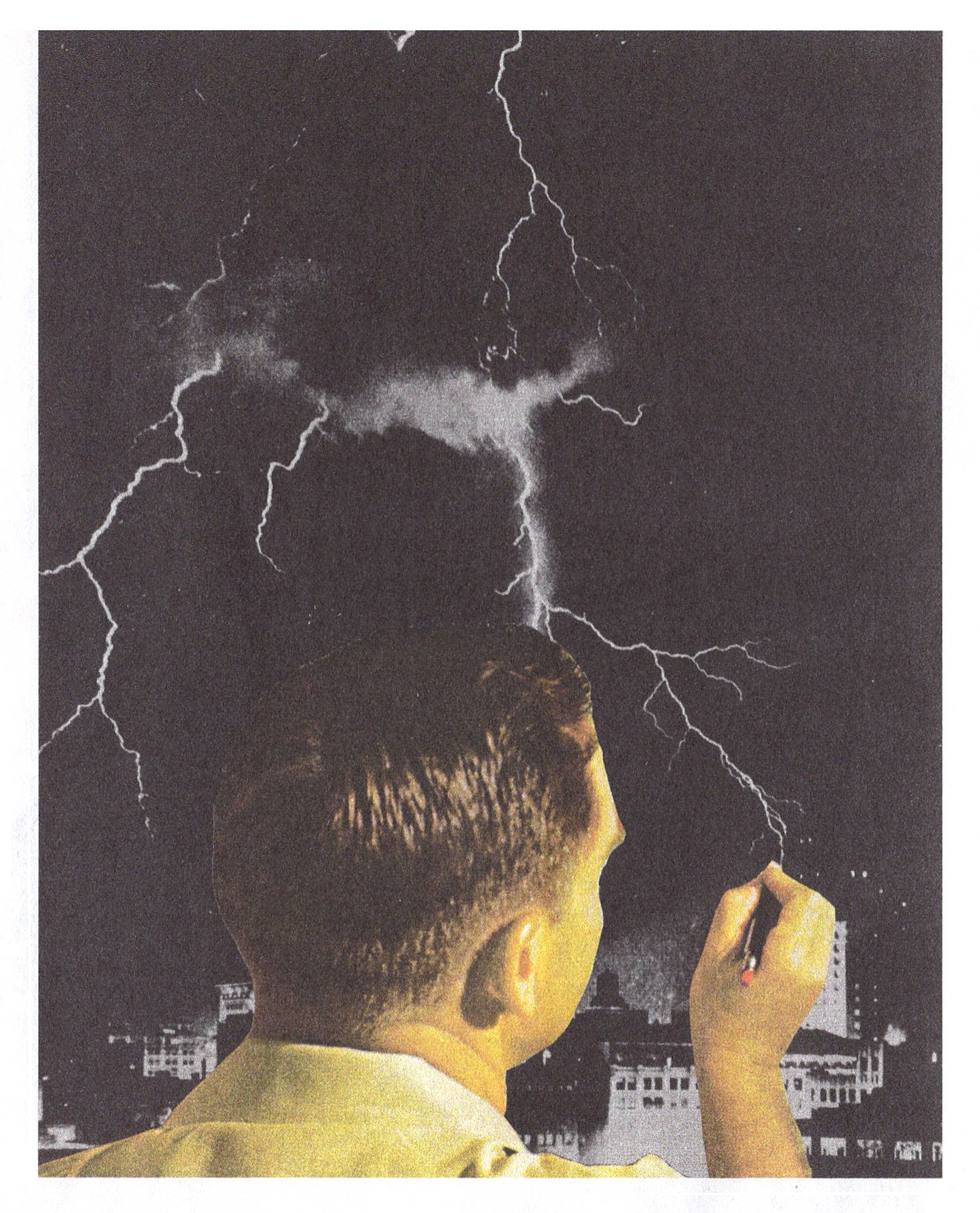
Every writer who has written a book knows the terror of post-book creative anxiety, the question of, “What’s next? What do I do now?”. For Kevin Sampsell, this creative anxiety set in after touring his novel “This is Between Us.” Though he was “working” on another novel (in the sense that he had a Doc on his computer he increasingly dreaded opening), he struggled with the idea of sitting down and performing the conscious labor of writing. In the course of “taking a break” from his novel to experiment and “have fun” with language, Sampsell turned to collage, purchasing stacks of vintage “National Geographic,” “Life,” and “Saturday Evening Post” magazines from a local thrift store. As Sampsell delved deeper and deeper into collaging, however — studying the works of John Stezaker, Jesse Treece, and Sarah Eisenlohr — he felt further and further away from the act of novel writing. He began to embrace collage as a new and exciting expression of his creative drives: to play, to cut, to collect, to re-assemble, to juxtapose, to defamiliarize, to blend, to archive.
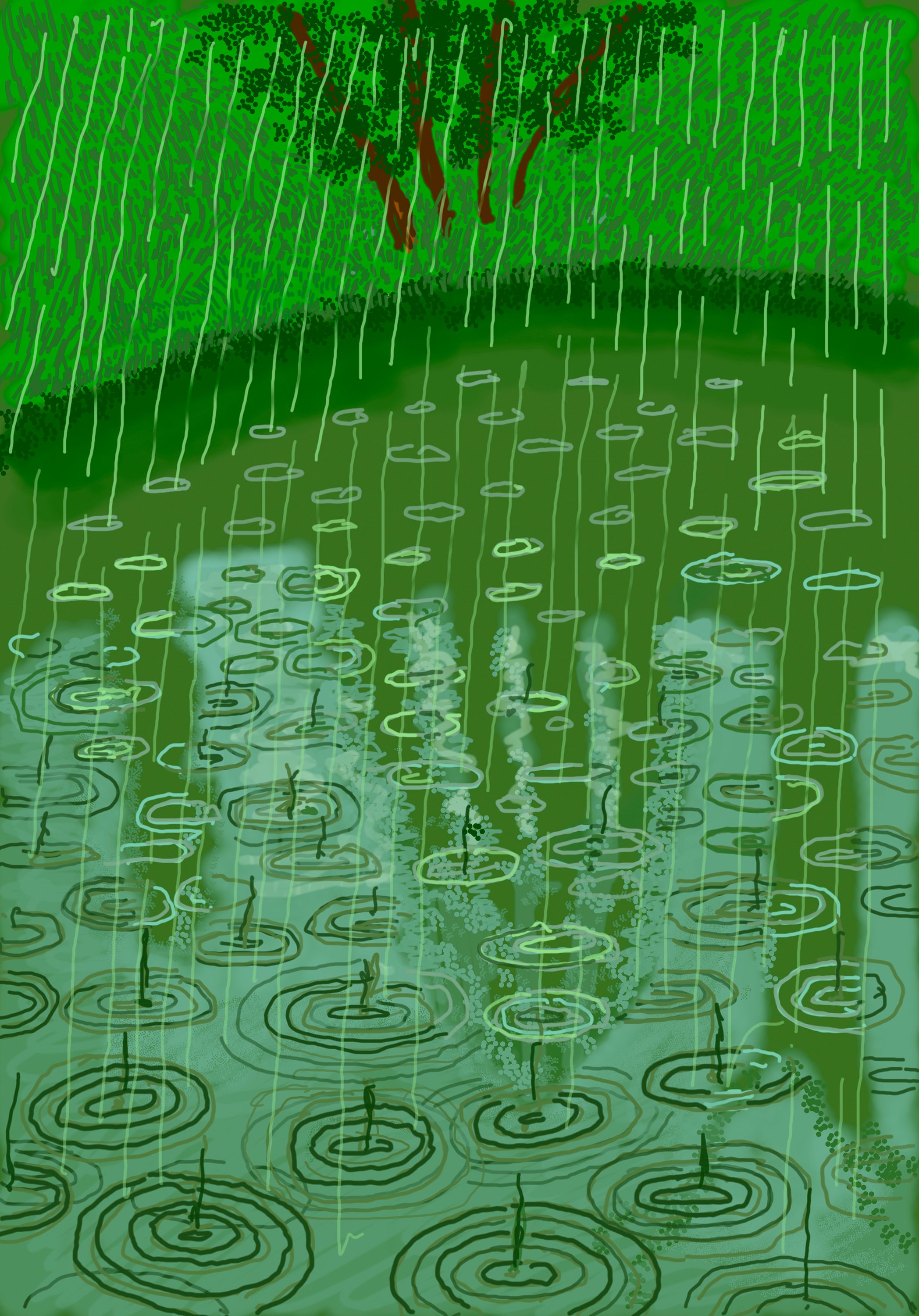
David Hockney. “22nd May 2020, No. 2.” © David Hockney. Image courtesy the artist and the Art Institute of Chicago.
David Hockney’s latest exhibition, “The Arrival of Spring, Normandy, 2020”, on view at the Art Institute of Chicago roughly coincides with his seventh decade of art making. Hockney is one of the most famous and celebrated artists in the second half of the 20th century. He is an English painter, draughtsman, printmaker, photographer and stage designer. He is also known for experimenting with new technologies, in this case the iPad, and it represents his third major showing of these images with previous shows in 2011 and 2013.
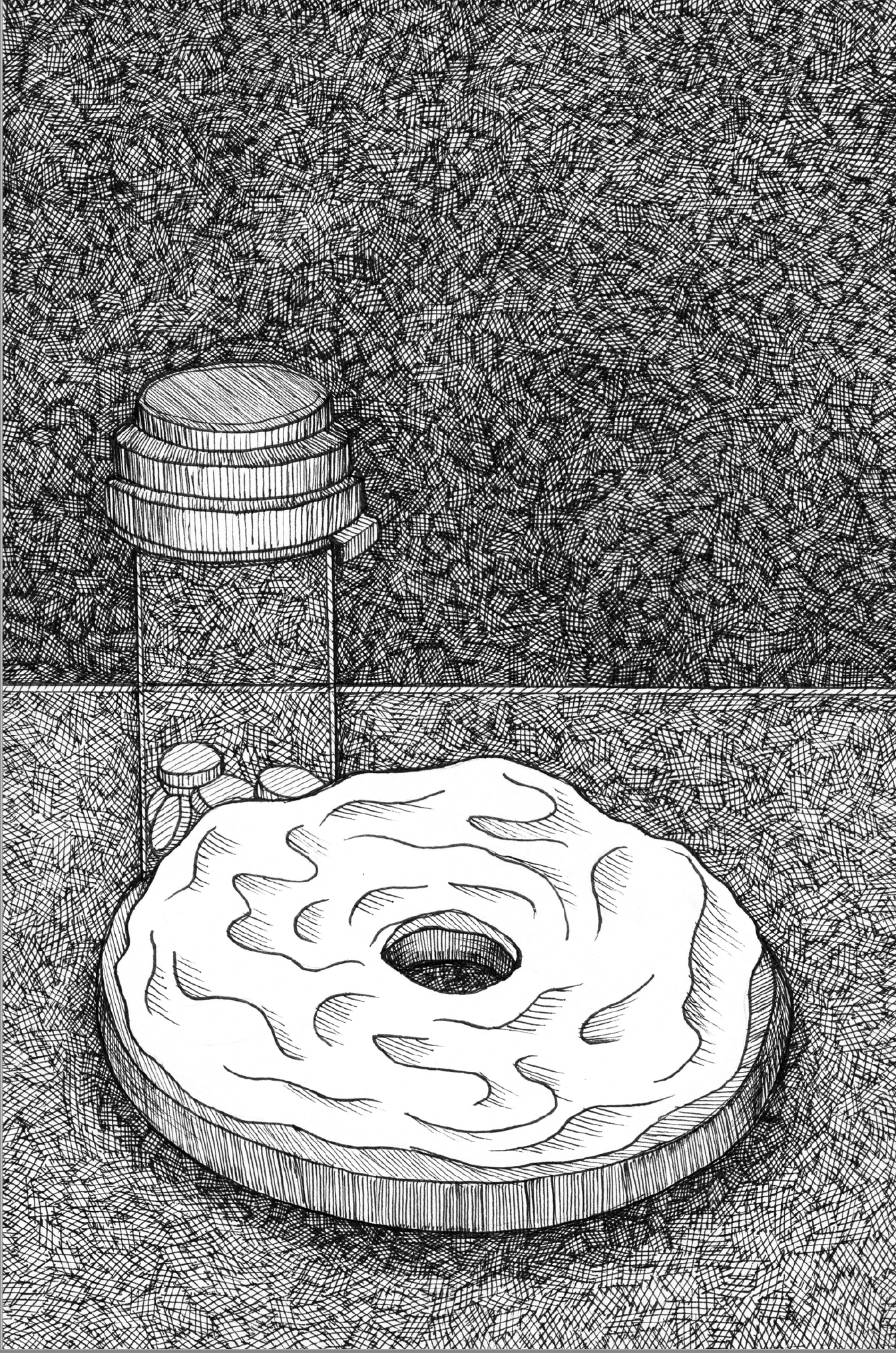
From the sidewalk I grab the flaking wrought iron railing with my right hand, plant my good leg, my right leg, squarely on the first cement step in front of me, and pull myself up. Then I swing my bad leg up, and pain flares from a constant dull ache to a sharp crescendo as I place my bad leg beside my good one, but the pain isn’t too bad, and that’s part of The New Normal. Last, I slip one of my crutches into my left armpit and stabilize my weight distribution with it.
Step one — done.
Eleven more to the front door of my apartment building.
I hate this process.
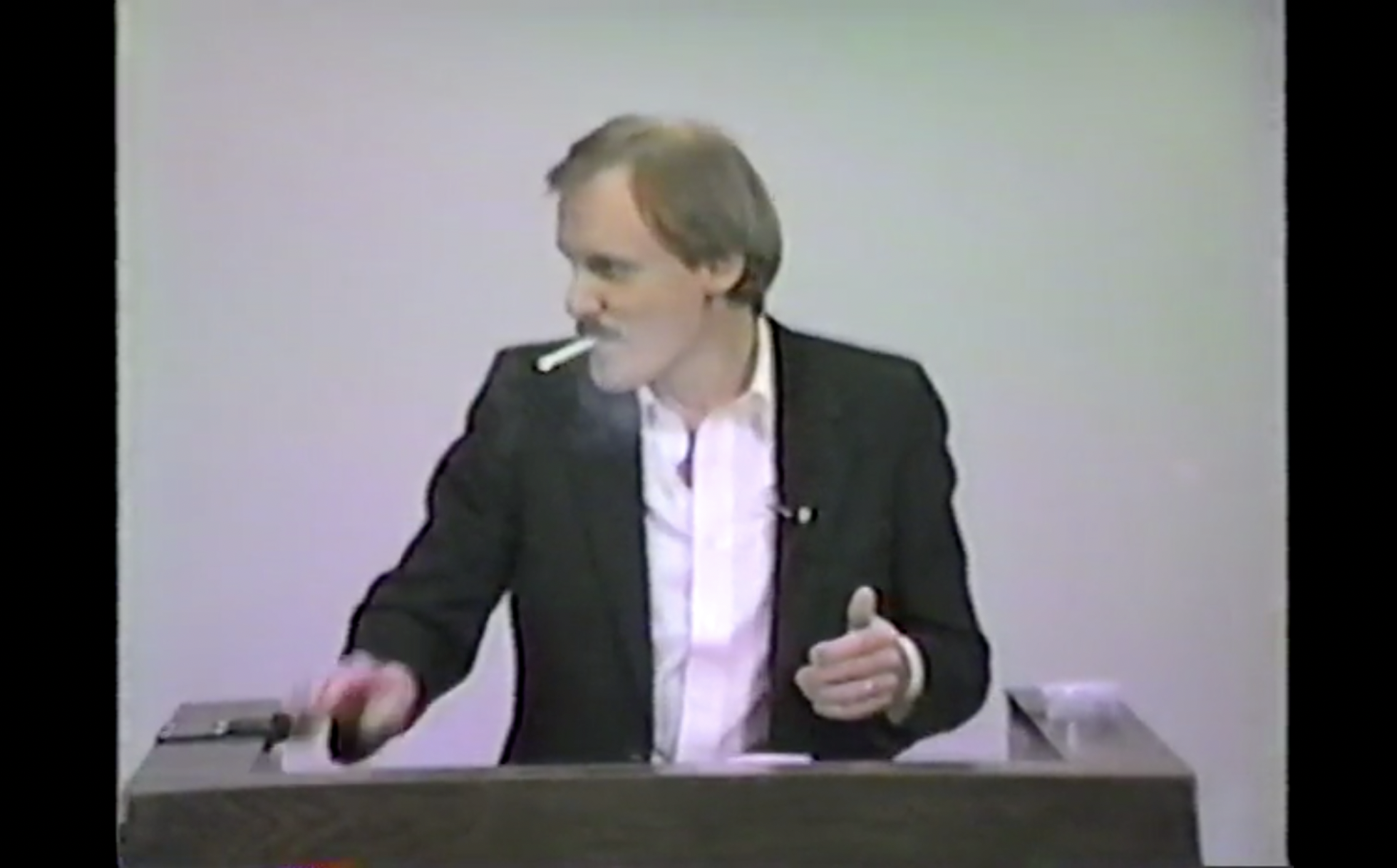
Peter Schjeldahl, who I was saddened to read had passed away this week at the age of 80, was a mentor and guiding light for me as a young writer and critic, and literally the reason I decided to have children. Let me explain: starting out in Chicago, I first met Schjeldahl early in my career, then as now indistinguishable from his role (as he liked to repeatedly point out, as the “big time”) New Yorker art critic. He had just been announced as the juror who would select the sculpture for a now-defunct program called Navy Pier Walk (back when organizations actually hired people knowledgeable in art for their public art programs). Founded by artists Michael Dunbar and Terrence Karpowicz, I’d met him through the Pier Walk program’s then-director Joseph Tabet, who’d hired me to write the catalog essay for the sculpture show’s 2004 edition.
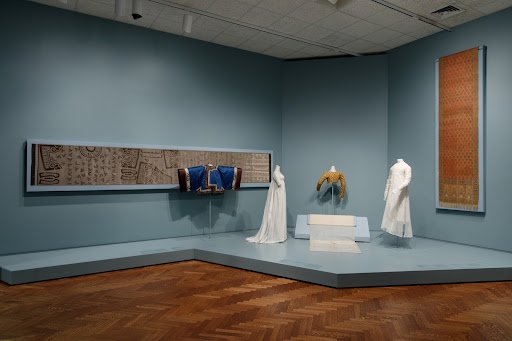
Two weeks ago, the internet exploded with videos from the Coperni catwalk of Bella Hadid being sprayed with a white, unidentified flying material, rapidly drying in runway time to the conforms of her idealized figure. This new modality of dress, applied as easily as a spray on tan, formed a peelable, prefigurative layer with a substance called Fabrican. The internet audience went wild, affirming what the company referred to as “a new era in twenty-first century mass customization.” Within minutes this material, based in silly putty technology, formed a beautiful new bodily surface: a white, wispy, crisp edged, seamless slip dress. Fast fashion shows no signs of slowing down.
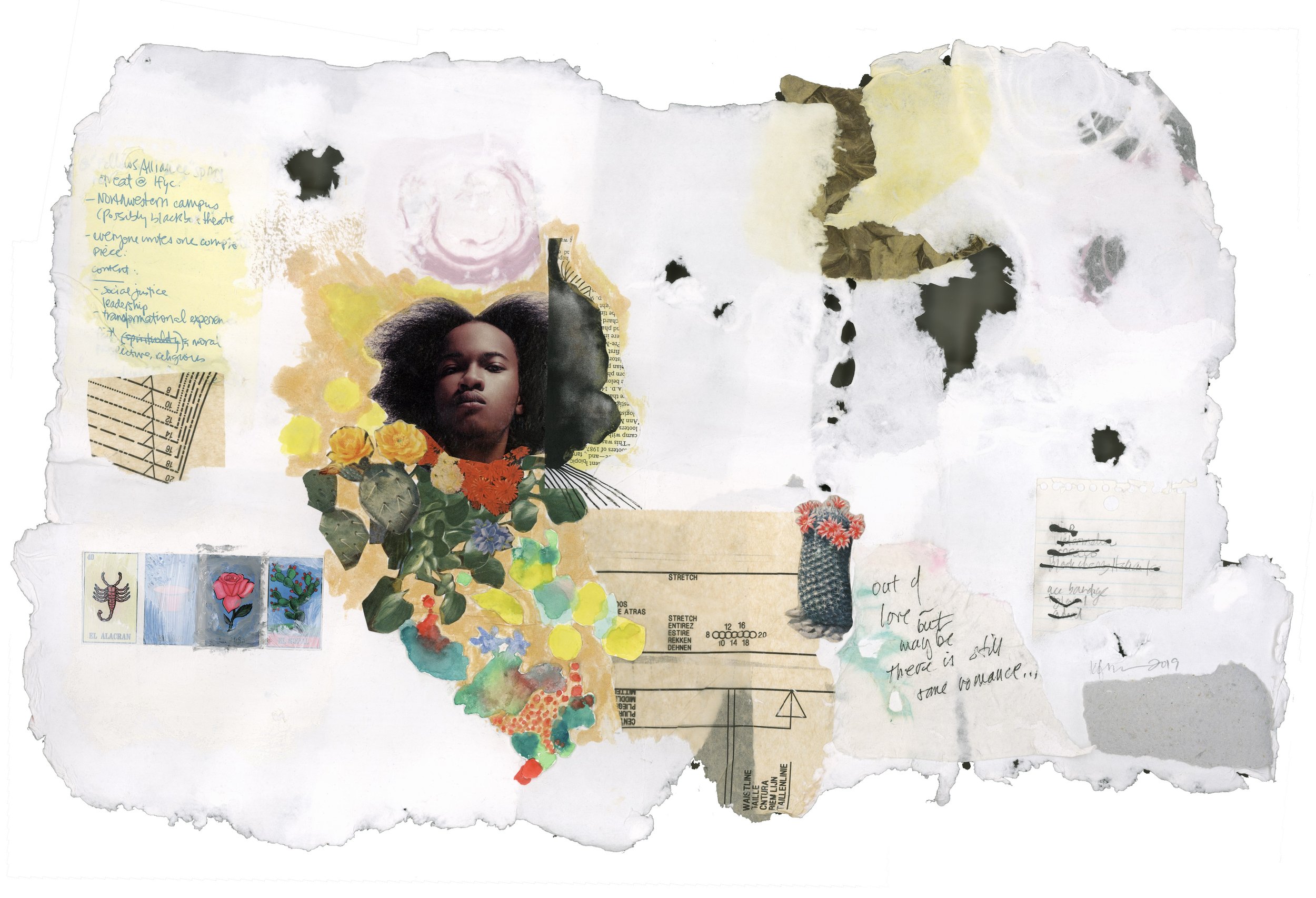
Krista Franklin’s first job was at a library shelving books in her hometown, a suburb outside of Dayton, OH. In the present day, like a librarian – or better yet, archivist, she collects materials from Ebony, Vibe and National Geographic magazines, vintage pornography, sci-fi literature and film, soul and funk music album covers and more. Anathema to an archivist, she cuts, dissects, and deconstructs the printed matter and reforms it into imagery that traverses a spectrum of time, place and identity.

“It had been a couple weeks since April from the front desk disappeared, and we had no leads on where she went. Mike was the first one to notice she was gone. Mike S – a lot of us are Mikes. He’d gone up to the front office to use their bathroom. We’re not really supposed to do that. Our boots are dirty, and we have oily grime on our hands. We try not to make a mess, but we always end up leaving little streaks around the sink and on the doorknob. Trying to wipe it off just smears it around worse. So the front desk girls always complain when we use their bathroom, but ours is out of order a lot … ”
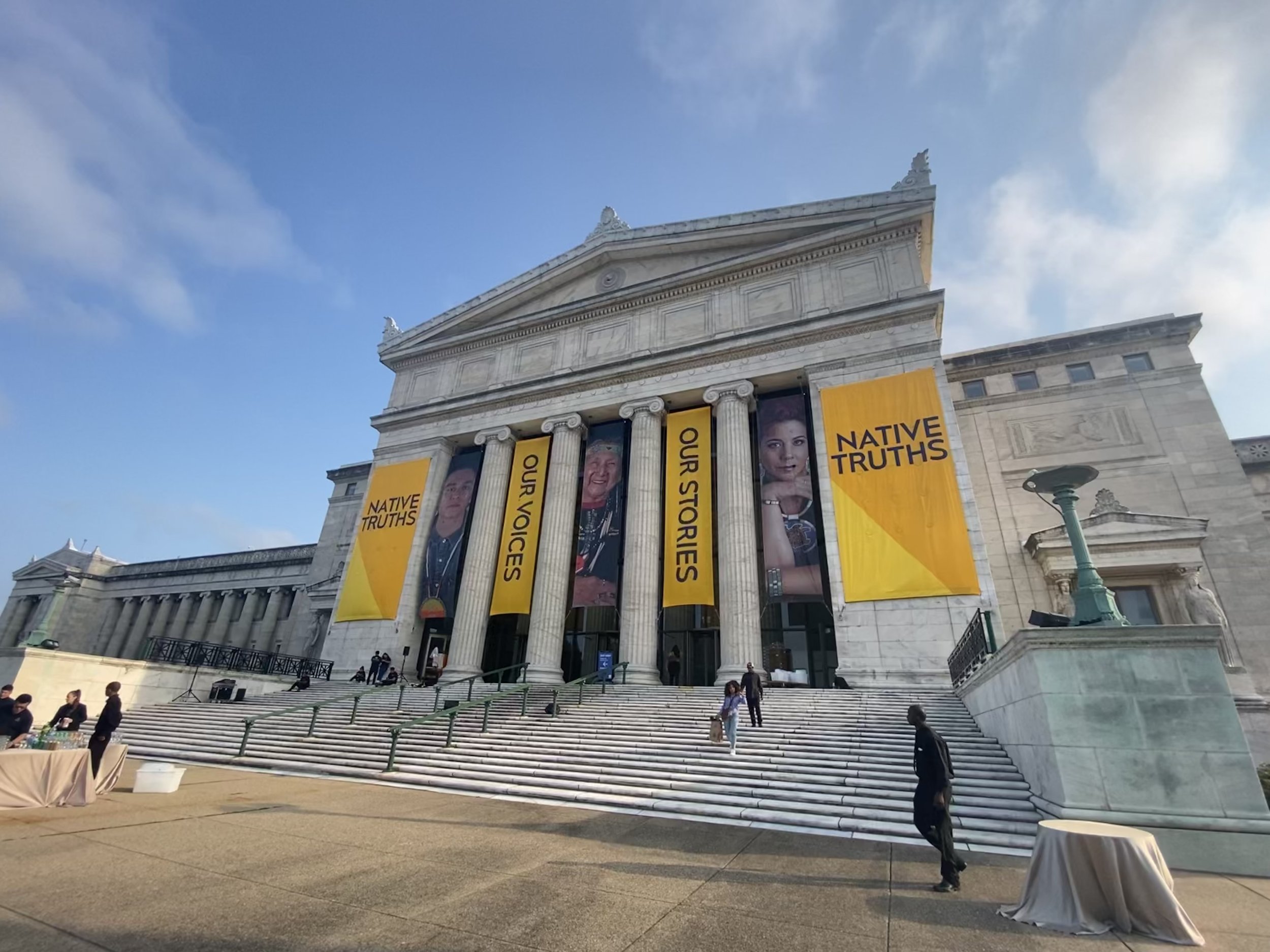
Chicago was founded on indigenous land, full stop. However, as imperialism expanded disguised as manifest destiny expanded, so too did the violence and erasure toward the many Native tribes that resided in the area. In spite of this, Chicago still has a vibrant Indigenous community, boasting the third largest urban Native American population in the country. While the Field Museum acknowledges they played a role in this erasure and can’t change the errors of the past, Native Truths is an attempt to create dialogue for a new beginning. The platform is given to contemporary Indigenous artists and community members to share their art, history, and culture in a way that’s never been done before.
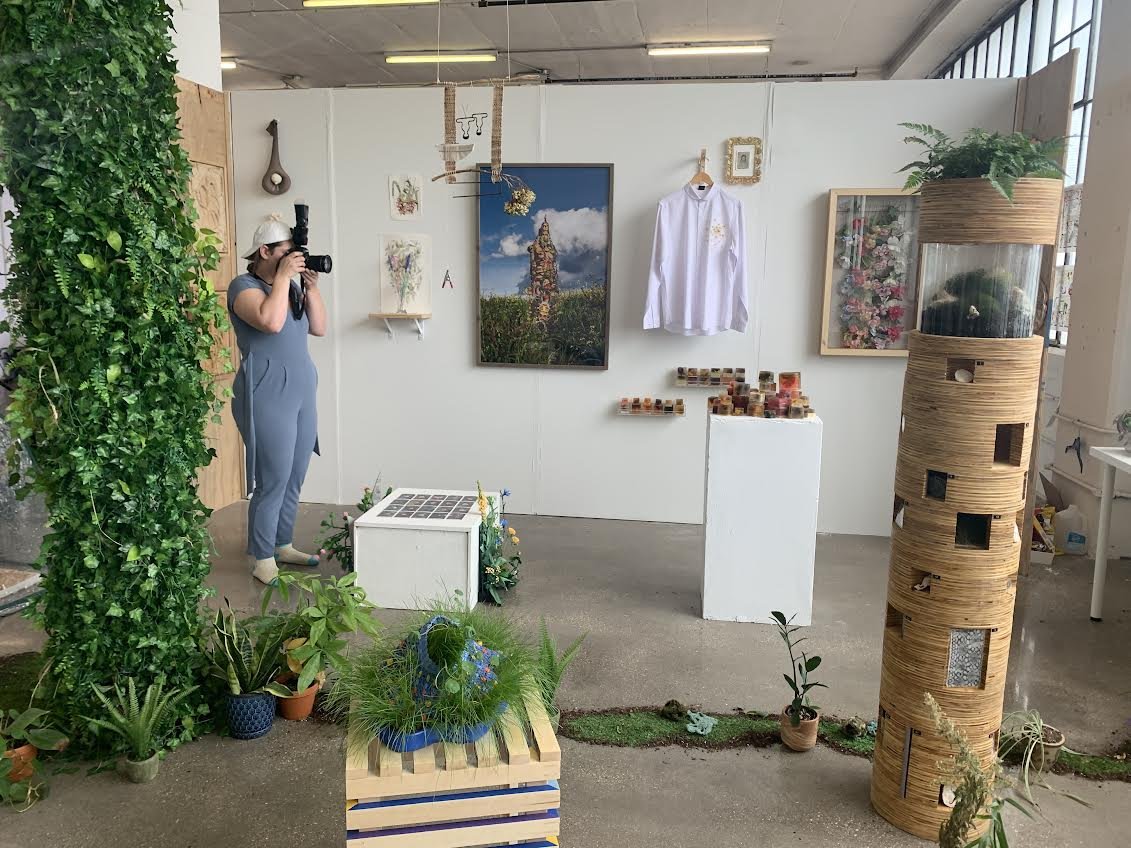
After a 10 year hiatus, the MdW fair organized by the Public Media Institute (PMI) team returned in a revamped and ambitious format for a new decade. DIY artist-run spaces, collaborations and collectives in Chicago and the Midwest are the energizing basis for creative work that transcends the region. The MdW fair succeeded in amplifying this democratic and utopian vision of what many consider the Midwest “regional” art world.

In 2014, I was driving a delivery route for Newcity, which I’ve done now for some years, and I was stopping by the city-managed, south side recycling center to toss the old copies. It’s a routine I’ve been doing every month now for probably fifteen years or so and, on a few occasions, like that day, I encountered a heartbreaking sight. When I opened the lid to the gigantic blue recycling bin, it was filled to brimming with someone’s discarded personal library.
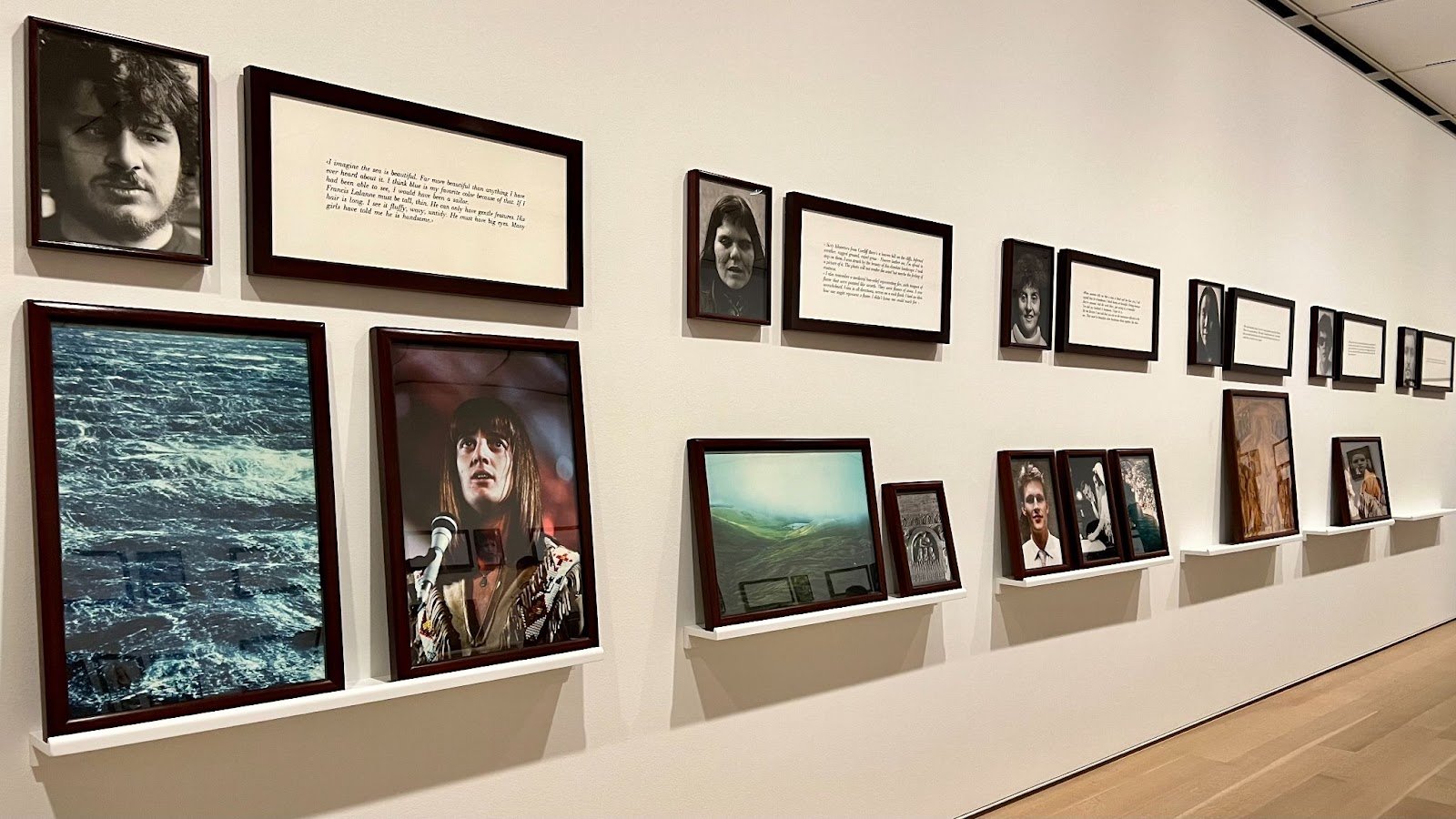
The Art Institute of Chicago is presenting Sophie Calle: Because — The Blind, which cemented Calle’s reputation as an artist who is part sleuth, part philosopher, and at least as much writer and storyteller as maker of images.

The exhibition “An Instrument in the Shape of a Woman” currently on view at the Chicago Cultural Center’s Michigan Avenue Galleries, features the work of Leslie Baum, Diana Christiansen, and Selina Trepp. Organized by Annie Morse, the show positions each artists’ immersive explorations of abstraction, the mutability of form, within the lens of gender.

There is no evidence of repair in Sandra Binion’s the beauty of something ripped.
Sandra Binion and I have a common sense of touch, grasping the same silk fabric used for a tunic I made for her upcoming project, “Rappaccini’s Daughter,” as we meet over Zoom to discuss her exhibit, “the beauty of something ripped,” at Alliance Française. The artist is sick with Covid after the May 11th opening, and this cloth provides a common sense of tactility for us to talk about her work from across the screen.

Wrightwood 659 is the host of Rirkrit Tiravanija: (who's afraid of red, yellow, and green), a culinary and civic-uprising-themed exhibition. Walking into Wrightwood 659 is a treat in and of itself, the architecture of the Tadao Andō building is incredibly conducive with their socially relevant exhibitions, enhanced by the textures in the walls, flooring, ceiling, and details which are usually uncommon in contemporary art galleries.

Bridge Journal Editor-in-Chief Michael Workman was joined by Deborah Maris Lader, Founder and Director of the Chicago Printmakers Collaborative, at the Richard H. Driehaus Museum to discuss the print techniques of a more than a century-long history of artist’s publications. Following the lecture, on Saturday, Nov. 13 from 2-4pm, Maris Lader gave this presentation of printing processes discussed in the lecture off-site at the Chicago Printmakers Collaborative as a third event in this series.

Loving Repeating is an exhibition of married couple Dutes Miller and Stan Shellabarger’s recent collaborative project, housed at the Hyde Park Art Center in Chicago’s South Side from April 10th to September 3rd. The exhibition explores themes such as relationships, loneliness and intimacy – all timeless but particularly pertinent in the age of the COVID-19 pandemic.
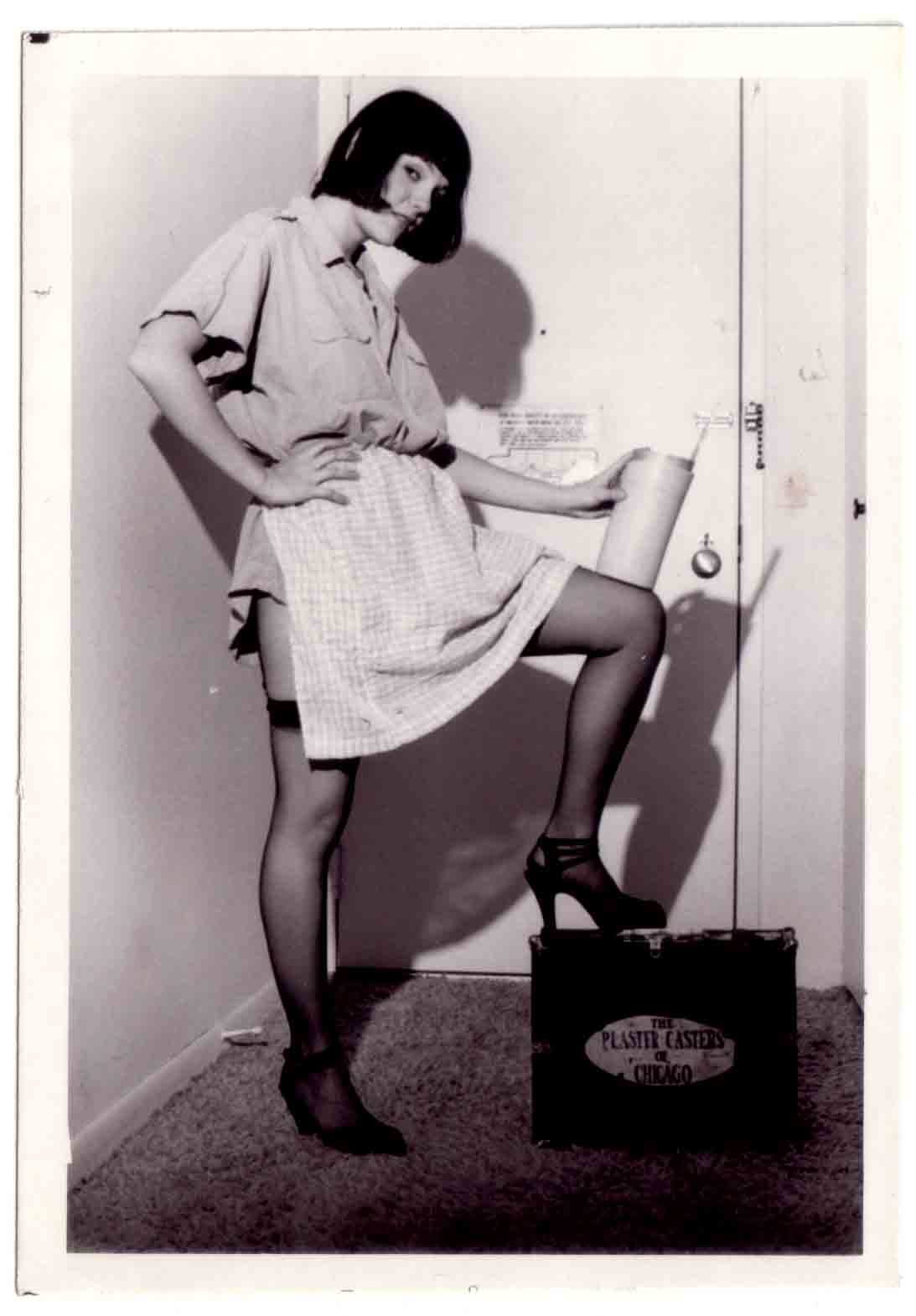
Last week, word started circulating quickly that Cynthia “Plaster Caster” Albritton had died at the age of 74. I’ve known and been friends with Cynthia since the late 1990’s, where I met her in the music scene, out every weekend at rock shows at Lounge Ax, The Hideout, Empty Bottle — all the usual haunts that dot the landscape of the Chicago’s vast and sprawling music scene.

As someone who spent a little more than a decade (from around 2003-2015) staging art expositions, I watched with amusement as the latest edition of EXPO Chicago went up and came down, to muted praise, just over a week ago.
When I first encountered the phenomenon of the international art fair in my late twenties (I organized my first exposition at the tender age of 33, just as I was becoming a new father), Chicago was the center of the global art fair market, back then mostly a nationalist phenomenon, and had been for decades. Every country had its own art exposition, but members of the Paris, London, New York and other major art world communities came to Chicago every year on mother’s day weekend for what was then a high-energy, high dollar trade event that had the feeling of something necessary to helping art flourish.

This House is Mine is an in-depth retrospective on late African-American painter Bob Thomas, housed at the Smart Museum in Hyde Park and curated by Diana Tuite. The exhibition is a much-needed reminder of the topicality and poignancy of Thomas' work, being the first museum show on the renowned artist in over two decades.

Ray Johnson c/o is a major exhibition featuring more than thousand pieces, with over one hundred collages alone, spanning at least 6 rooms in the Art Institute of Chicago. Johnson, commonly referred to as the “most unknown artist in New York,” was a trailblazer for mail art in the 1960’s.

“Subscribe: Artists and Alternative Magazines, 1970-1995” is a “they don’t make ’em like that anymore!” goldmine placed in the basement galleries of the Art Institute of Chicago. The crème walls and light paired with the vintage magazines and zines hung on the wall brings visitors back to the ‘80s.